
SEO Career Path
Nowadays, people are finding difficulties in choosing a career, especially a teenager. In this modern world, SEO career path can be the best option either you want to switch the career or fresh start.
It is high in demand on market, offers strong job security, low entry barriers and flexibility which leads SEO a good career. SEO Career Path can be considered as a rewarding career for several reasons- especially for the one who wants practical, flexible, and future-proof skill.
Major reasons of why SEO is a good career path?
Here are the 6 major reasons, why SEO is a good career path.
- High demand & Job security Almost every business needs online presence- wants visibility on google. People keep on using search engines, SEO ranks web pages higher; as online competition increases, demand keeps on growing.
- Low Barrier to Entry It is skill-based- more than qualification, portfolio and results matter. You don’t need a formal degree; you can just start through online courses and practice. It is ideal whether you want to switch careers or upgrade your skills.
- Remote & Flexible Lifestyle Many roles offer remote work. Freelancing, or consulting, providing work-life balance. You only need a laptop, internet and skills.
- Creative & Analytical SEO isn’t boring or repetitive. It blends data analysis (google analytics, tools) with creative content, keywords, strategy and problem solving. This balance keeps the work interesting.
- Great Career Growth Paths: It’s a gateway skill into tech and marketing. SEO opens doors to digital marketing managers, growth marketers, content strategists, product marketing, even entrepreneurship.
- Multiple Income/ Good Earning Potential SEO isn’t limited to a 9-5. You can work as a full time SEO specialist, freelancer, blogger, agency employee or owner. And experienced specialists earn competitive salaries, with potential for high income.
SEO is a growing, rewarding career specially for those who enjoy problem-solving and staying ahead in the digital world. Learning SEO is never a waste; it is useful for every aspect of your career whether you are employer or employee.
Benefits of SEO training
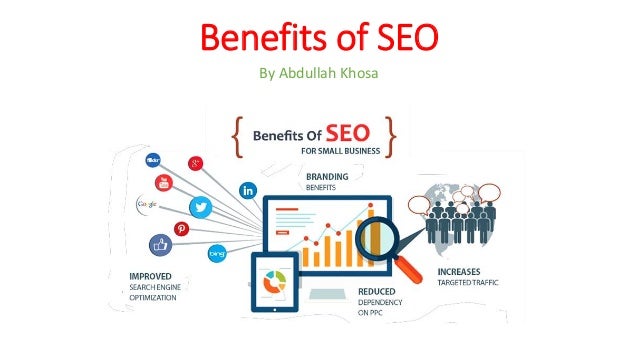 SEO training offers a wide range of benefits like boosting website visibility on Google, building brand trust, driving organic traffic, improving user experiences, and turning those skills into real opportunities. SEO works in different factors in different ways and plays a vital role in terms of businesses, individuals and career growth. During the training you will learn skills like keyword research, technical Seo, content optimization, competitor analysis, data and traffic analysis, and so on. While doing the courses, individuals gain skills, knowledge, experience related to this field and lead to create a good career in future.
Major benefits of SEO training
- High in demand: Every business presence online need SEO to grow, helps to rank higher on search engines to attract more relevant visitors. SEO experts are always in demand.
- Car opportunities: Flexible career; offers remote work, you can work as an SEO executive, digital marketer, content strategist, freelancer or consultant and passive income potential.
- Long term results: SEO skills create long lasting results than paid aids. You can see results for months or years after doing it once.
- Cost-Effective: career wise you don’t need expensive tools or a degree- you can just practice and train. And for businesses; it reduces reliance on paid ads, offering a better ROI over time.
- Data and analytical thinking: Improve problem solving using analytics and real user data.
- Stronger brand credibility: higher ranking indicates trust and authority to users. And perfect to grow your own brand like if you and to grow a blog, online store, or small business.
- Better user experience (UX): Teaches how to build user- friendly, faster, and mobile- optimized websites.
- Works with other skills: SEO pairs well with content writing, web development, and software engineering.
- Futureproofing: Keeps you updated on algorithm changes and evolving online trends
Content freshness
Content freshness in SEO means the timeliness and relevance of content on a website; the most up-to-date information that still accurately answers the search intent.
What does fresh content really mean to Google?
Fresh content does not mean fresh, recently published content. For Google, “It means accurate, relevant, and up-to-date content” that satisfies the user query.
Understanding content freshness in Google SEO
The main goal of google is to provide the best possible answer for a search query at the current time. Google evaluates content freshness based on several signals- not just on published dates.
1. Relevance
Fresh content means “still relevant”. If the information of content is still accurate,useful, aligned with what users want- then google considers it as fresh, even if it was published years ago. For instance:
- “What is meditation?” – Can rank for years without updates
- “Best tools for SEO” – Needs frequent updates
Freshness depends on the topic, not the age of page 2. Meaningful updates matter more than new posts Google tracks content changes, not just timestamps. Freshness signals include:
- Adding new sections
- Expending depth
- Improving explanations
- Removing irrelevant information
- Updating outdated facts or tools
Bringing minor changes like changing dates does not work without improving the whole content. Google rewards for real improvements, not general updates. 3. Query Deserves Freshness (QDF) Google uses a concept called Query Deserves Freshness. Some searches require fresh results as information keeps on changing, trends evolve and the interest of users spikes suddenly.
Queries that need freshness.
- “Google algorithm update”
- “Best phones in 2026”
- “Latest SEO trends”
Queries that don’t require freshness.
- “How search engine work”
- “Basic yoga possesses”
- “Programming fundamentals”
Google automatically adjusts rankings based on these behaviors. 4. User engagement is a freshness signal Fresh content often performs better with users. Google looks at.
- Click-through rate (CTR)
- Time spent on page
- Bounce rate
- Return visits
If users prefer your page than others, google sees it as; “this content is still fresh and useful.” 5. Depth and comprehensive increase freshness A page that grows over a time sends strong freshness signals. And a well-maintained page often outranks newer but shallow content.
Ways to increase depth.
- Add FAQs
- Add examples
- Add visuals or diagrams
- Improve internal linking
- Cover new subtopics
6. Internal and external activity signals Freshness is also supported by.
- New internal links pointing to the page
- The page linking to newer content
- New backlinks from other websites
- Regular site activity
This tells google,” this page is still alive and relevant.” Fresh content is not about being new- it’s about being the best answer right now. Google rewards pages that stay relevant, accurate, grow in value over time and satisfy users more than competitors.
Content Writing-beginner
Content writing is the method of planning, writing, and editing written materials for digital platforms such as blogs, websites, product descriptions, and social media.  The main goal of content writing is to:
- Inform
- Educate
- Entertain
- Or convert readers into customers
Step-by-step guide to content writing
- Learn the basis
The foundation is important. Before you start content writing you need clarity. Focus on:
- Writing simple, clear sentence
- Know your target audience
- Structure your content (headings, paragraphs)
- Basis grammar
2. Choose niche A niche is the whole content, the topic you write about. Choose something you enjoy reading, can research easily and want to grow on it. 3. Practice writing daily Just start writing whatever it is. 4. Learn content structure Plan your outline to maintain flow and structure. A good content follows a structure:
- Headline – grabs attention
- Introduction – explain the problem
- Body – provides value (steps, tips, examples)
- Conclusion – summary
5. Optimize SEO to increase visibility 6. Build a simple portfolio Clients want samples. Create a quality, organize content and publish on media or google docs. 7. find beginner work This is where you start. Start small 8. Improve and grow Keep learning through the courses, content and feedback
Practical tips for beginners
- Start reading – gain knowledges
- Practice daily- write minimum 1000 words
- Learn to use tools, editing, tracking
- Follow expert; help to boast the skills, knowledge
- Focus on quality over quantity
Content writing is a skill that compounds over time.
On-page-SEO And it’s Important
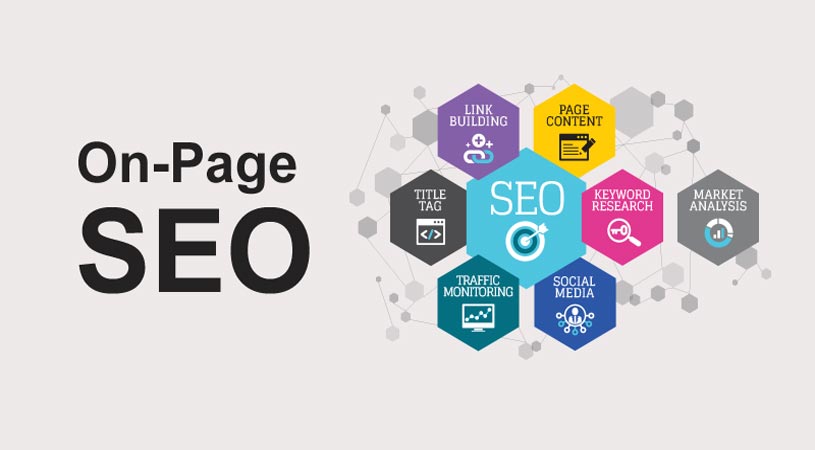 -page SEO is the foundation of search engine optimization. If you want your webpages or blog post to appear on Google, on-page SEO is negotiable
What is On-Page SEO?
On-page SEO is essential optimization techniques applied on a website to rank higher in search engines. It includes optimizing, content, keywords, titles, URLs, images, internal links, page experiences, etc.
Key elements of On-page SEO
- Content quality
Content plays a vital role in On-page SEO. A good quality content includes valuable, relevant and user-focused resources that meet search intent. 1. Keyword optimization Keywords are the words or phrases people type into search engines. Keywords should be used on content title, headings, URL and meta description naturally. 2.Title tag Title tag is the clickable headline that appears in search results. A good title includes the main keyword, clear descriptions of the page and encourages users to click. 3.URL structure SEO-friendly URLs are short, descriptive and easy to read. Clear URLs improve user experience and search visibility. 4.Internal linking Internal links connect one page of a website to another which help users to explore more content, site crawling and provide higher ranking power. 5.Image optimization Images should be optimized by using descriptive file names and adding alt text. 6.Page speed and mobile friendliness Fast-loading and mobile-friendly pages rank better. Search engines prioritize quick loading pages and work on mobile phone well
Why is On-page SEO important?
On-page SEO is crucial because it helps search engines to understand your content, boost visibility, enhances user experience, builds long-term authority and drives conversions. 
- Improves search engine understanding; On-page SEO helps Google understand about your page details-what is it about and its relevance to user queries.
- Increase visibility and traffic; Websites which rank higher on search results mostly attract the organic traffic.
- Enhances user experience; Pages which are optimized well are normally easy to navigate, read and use. It engages the visitors.
- Build long-term authority, A good quality and relevant content shows authority to search engines.
- Drives conversions. A relevant content keeps engaging the visitors and a good experience leads the user to take action or go further steps.
- Full control: Unlike off-page SEO, you will have direct content over your elements which make foundational SEO strategy.
On-page SEO is the foundation of successful search engine optimization. By optimizing your content, structure, and page element, you make it easier for search engines to rank your website and provide trust to users and engage with it.